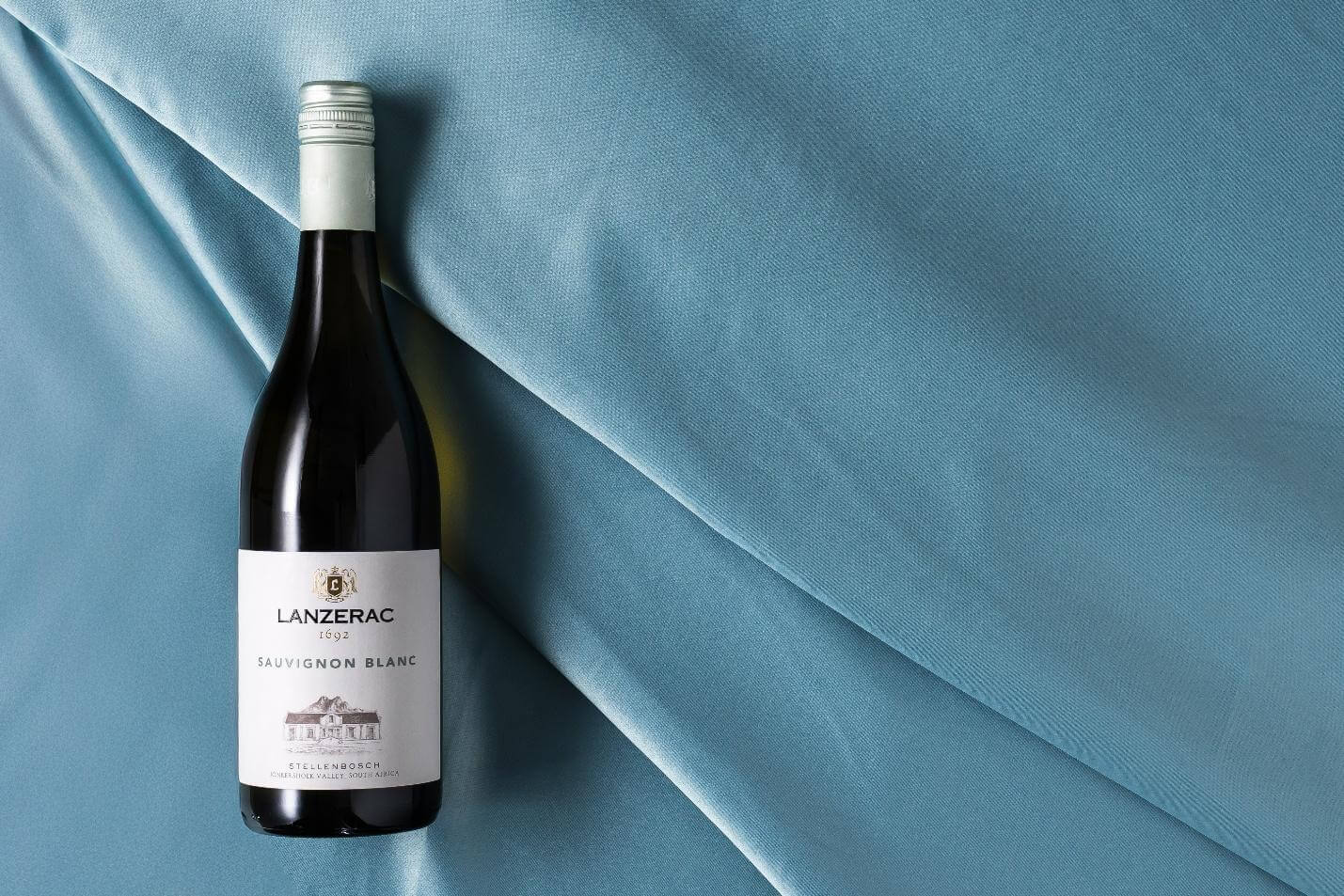


Step into any winemaker, viticulturist, or vintners cellar, and you’ll undoubtedly stumble upon a few non-descript unlabelled bottles. Some with whiteboard marker scribbles, perhaps a neck tag, but these bottles are sometimes the most revered in a collection. It’s the gifts between producers, the first bottles of a new vintage, the search for approval or comments uncompromised by a label or an award. It is a personal wine.

While wine labels are designed to tell us a story before the first sip, unlabelled wine invites us to forget everything we think we know about wine and simply taste. We often approach wine with expectations. We see a vintage and imagine how it will taste. We recognise a cultivar and immediately think of familiar aromas and flavours. We read tasting notes and start searching for the promised blackberry, citrus or spice. Remove those markers, and it’s just you and the wine.

No label to lean on. No score to defer to. No producer’s reputation whispering “this is supposed to be good” in your ear before you’ve even taken a sip. Just the wine, your senses, and whatever honest reaction bubbles up. 

Gone are the thoughts of “is this the Pinotage I expected”; replaced with an honest question, “Do I like this?”.

Unlabelled wines remind us of what happens behind the scenes. Long before it’s uncorked and savoured with friends at dinner tables and braais, there are seasons, vineyards, harvests, decisions in the cellar, barrel tastings and blending trials. The label is merely the final introduction. Remove it, and you start to contemplate the steps leading to your first sip.

There’s also a more playful aspect; tricking your friends. That one friend that always disapproves of merlot won’t have the label to guide their biases. Open an unlabelled bottle with friends and you’ll be amazed at how everyone approaches the endeavour differently.

That’s the magic of removing the label from the equation. Wine is amazingly subjective. Having the right answer of vintage, blend or cultivar isn’t the point. 

The best tasting note then simply becomes “I like it”.