

I have stood here for centuries, watching the seasons move across the slopes of the Jonkershoek Valley. Before roads carried travellers to my gates, before the first cellar walls rose from the soil, there was only mountain, sun, rain — and time.
The wind moved through the valley. Mist settled gently over river depths.
And slowly, quietly, unnoticed at first, a legacy began.
My story took root in 1692, just thirteen years after Stellenbosch itself was founded. Isaac Schrijver arrived and stood where the valley opens wide beneath the mountains. He looked across the land and named it Schoongezicht — beautiful view.
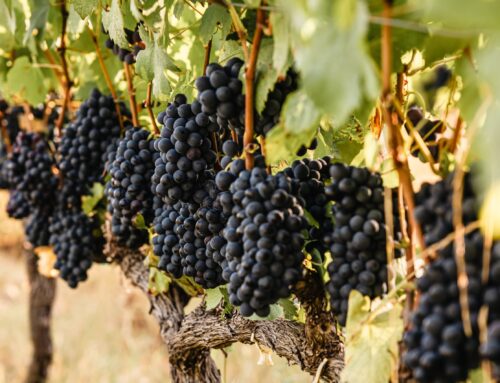
Soon the first vineyards were planted. Their roots pressed deep into the soil, drawing life from the granite slopes and cool mountain air. What began as young vines would, over time, carry the character of this place into every glass.
Years passed, in and out of season, as they always do here.
Stone and soil came together as the first cellar rose in the early 1700s. The Manor House followed, later reimagined in 1830 when its elegant Cape Dutch gable was added, watching quietly over the werf. Even then, there was a sense that this place would endure — that its story would be written slowly, across generations.
And through those generations, there were the women.
Though ownership often rested in the names of men, it was frequently the women who sustained the rhythm of the estate — who worked the land, managed the households, and ensured continuity when uncertainty arrived. Among them was Anna Hoeks, whose resilience set a tone that would echo through time. After loss struck the family, her daughter-in-law, Maria Elizabeth van Koningshoven — later known as Widow Maria Elizabeth Hasselaar — stepped forward with quiet determination. Rather than remarry, she chose to devote herself entirely to the farm and her children, guiding both with strength and resolve.
She was not alone in this legacy. Across generations, women carried this place forward — steady, capable, and often unseen — preserving what others would later inherit.
In time, new stewards found their way to me, each leaving their mark as the seasons turned. In 1920, Elizabeth Catherina “Kitty” English arrived. She stood among the vines and old stone buildings and saw something not yet fully revealed — the quiet promise of what this land could become.
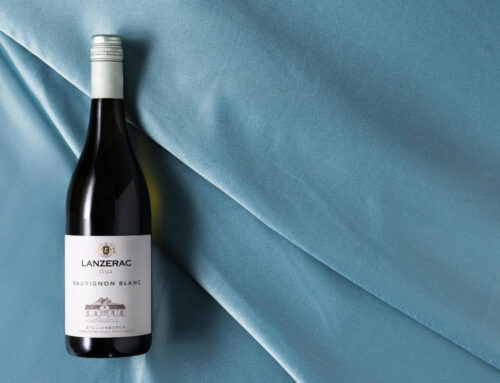
It was she who gave me the name Lanzerac, a name rumoured to honour the French General Charles Lanrezac.
Yet names alone do not shape a place.
Vision does.
Under her care, the cellar stirred with renewed energy. Modern thinking found its place alongside long-held tradition, and the farm began to hum with possibility. The vineyards deepened their roots, and the wines began to carry the voice of this valley further afield.
Others followed, drawn to that same promise.
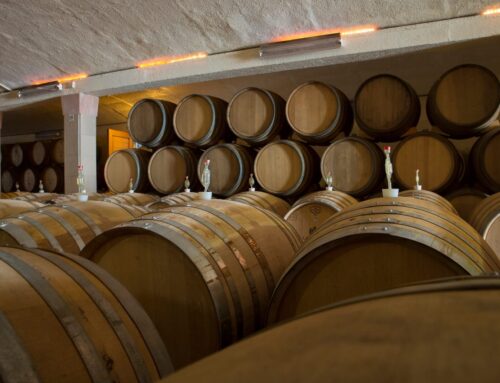
Among them was Angus Batts Buchanan, who shifted the focus more deliberately toward fine wine production — particularly Cabernet Sauvignon — recognising the estate’s potential to produce wines of distinction. From vine to barrel to bottle, the wines crafted here gained increasing recognition, carrying the name Lanzerac beyond the valley.
The land, however, remained constant.
The same soil. The same patient vines. The same quiet rhythm between earth and sky.
As the century turned, another chapter unfolded.
In 1958, Buchanan’s nephew, ‘Lord’ David Rawdon, arrived. He looked upon the homestead and vineyards stretching toward the mountains and imagined something more — a place of welcome. The farm opened its doors as the Lanzerac Hotel, where wine would move naturally from cellar to table, and where guests could become part of the story itself.
And then came a moment that would travel far beyond these slopes.
From the vineyards of Stellenbosch came the 1959 Pinotage. Sensing something special in the vintage, the Stellenbosch Farmers’ Winery took a pioneering leap. When the wine was released in 1961 under the Lanzerac name, it became the first commercially bottled Pinotage in the world.
From that moment on, the story of this land and that remarkable grape became forever intertwined.
The echo of that moment still lingers here.
Pinotage and Lanzerac —
growing, vintage after vintage, side by side.
Today the mountains still stand watch over the valley.
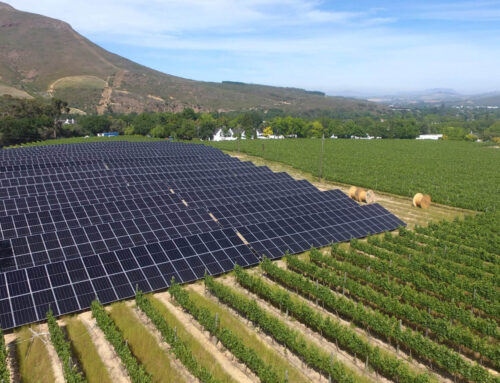
Morning mist continues to drift softly through the vineyards before the sun warms the slopes. The soil remembers every root that has grown here, every harvest gathered beneath the Cape sky — and the quiet passage of those who share this land: caracal and porcupine, buck and baboon.
Lanzerac has never belonged to one moment.
Or one generation.
Places like this are only ever borrowed for a time.
The land understands this well.
Stewardship is often spoken of here — the quiet responsibility of caring for what came before while preparing the way for what will follow. Traditions pass gently from hand to hand, often between generations of the same family.
Guests return not only for the wine, the views, or the healing air of the valley. They return for something deeper. For the quiet familiarity of a place that remembers them.
My story is far from finished. Every harvest writes another chapter. Every vintage gives the land another voice. I have been shaped slowly, patiently, by time itself.
And the best is yet to come.