
Wine is one of the few living products we consume. It evolves over time – maturing, softening, and sometimes surprising us in unexpected ways. While many modern wines are made to be enjoyed young, certain styles are carefully crafted to age. The way a wine is aged can dramatically shape its flavour, texture and overall character
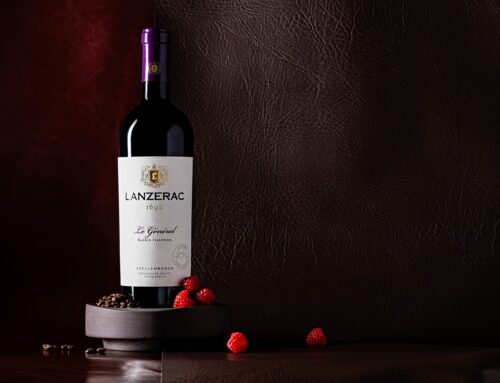
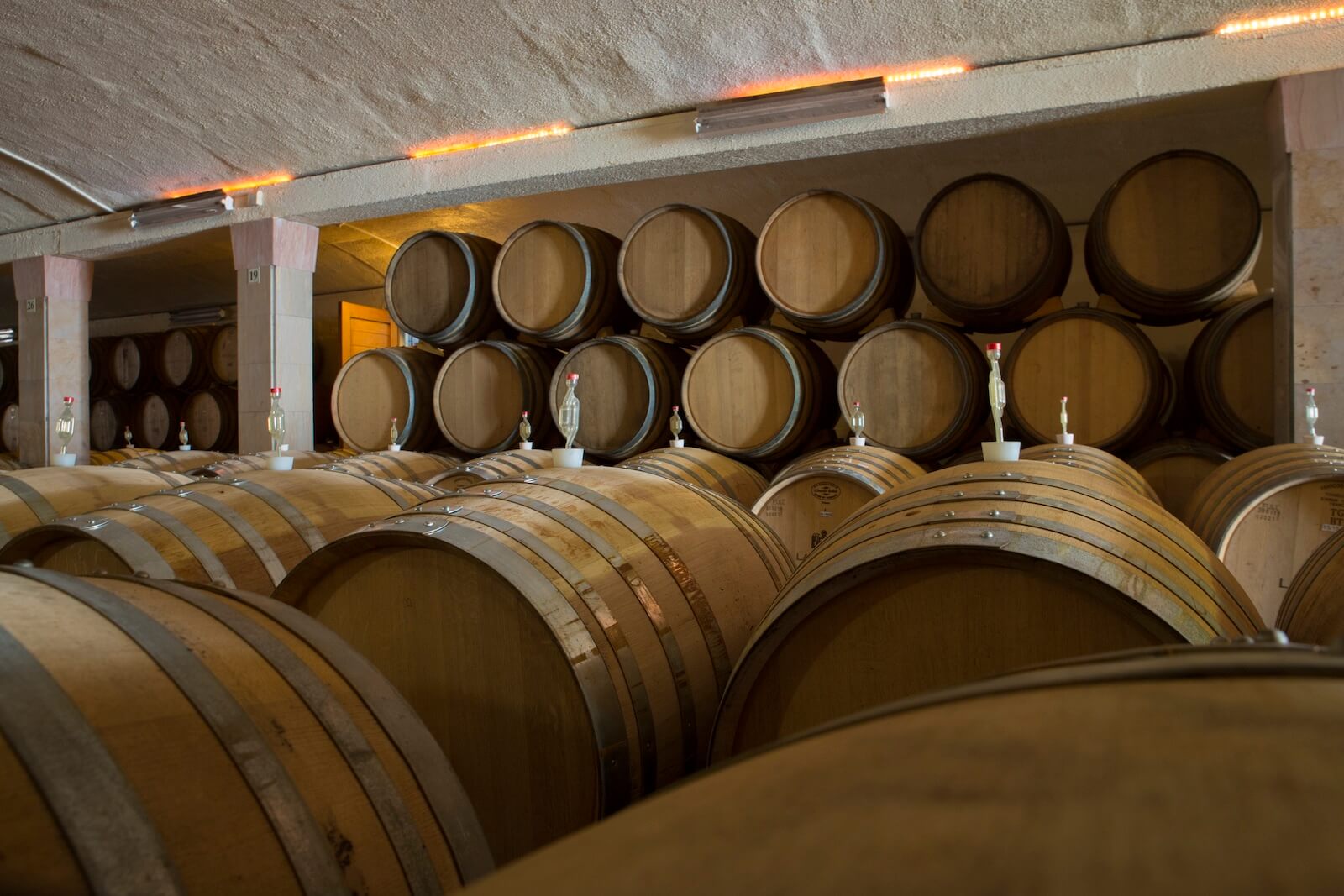
The classic image of wine ageing is rows of oak barrels in a dim cellar. Oak – French, American, or Hungarian – softens tannins, integrates flavours and adds aromas like vanilla, spice, toast and caramel. Small barrels (barriques) exert a stronger influence, while large ones (foudres) age wine more subtly. Traditional Bordeaux, Rioja, and Stellenbosch Cabernet Sauvignon exemplify this method.
White wines often use stainless steel tanks to preserve freshness and fruitiness, as seen in Lanzerac’s Jonkershoek Sauvignon Blanc and Pinotage Rosé. Alternative vessels, such as concrete tanks and clay amphorae, provide gentle oxygenation without flavour influence. Amphorae, used since Roman times, are revived today for purity and texture, such as in Lanzerac’s Keldermeester Verasmeling Bergpad Pinot Blanc.
Lees ageing – leaving wine in contact with dead yeast – adds creaminess, extends ageing potential and is common in Champagne and certain Chardonnays. Even underwater ageing is being explored, inspired by pre-Revolution Champagne found perfectly preserved in the Baltic.
Once bottled, wine continues to evolve. Low-oxygen conditions allow complex aromas to develop, transforming fresh fruit into dried fruit, earth, mushroom, leather, honey or nuts. Wines with good acidity, firm tannins and concentrated fruit – like Stellenbosch Cabernet, Burgundy Pinot Noir or mature Riesling – age gracefully over decades.
Ultimately, ageing wine is about patience. Not all wines benefit from time, but when structure, balance and intention align, time becomes an essential ingredient. From oak barrels to clay amphorae, each method shapes the final expression subtly yet profoundly.
Wine isn’t just made – it grows, changes, and sometimes surprises, just like us.